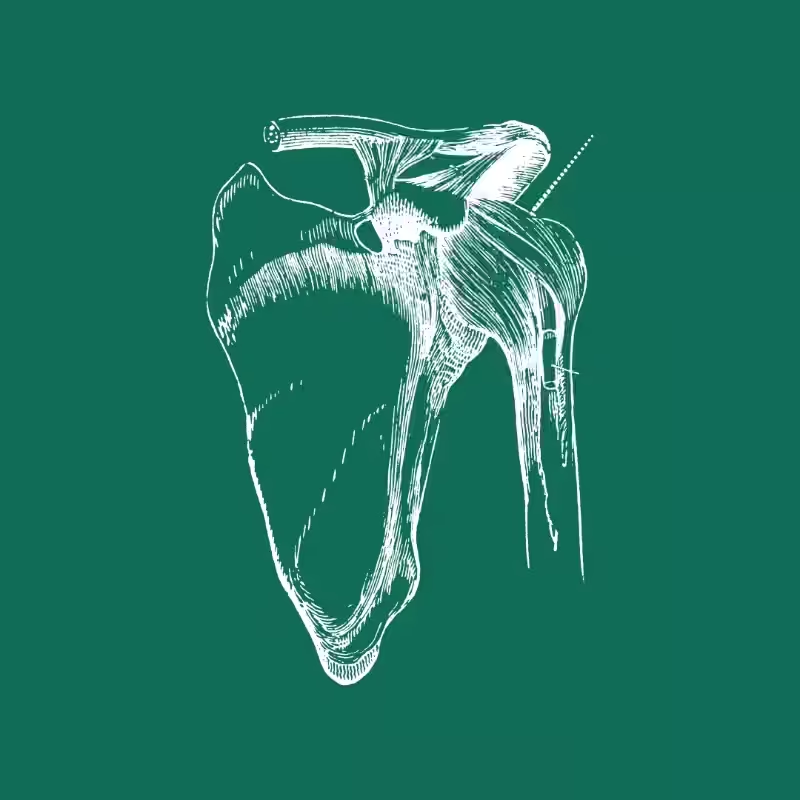
Shoulder complaints refer to pain around the shoulder joint and limited movement. These issues can stem from various conditions such as bursitis, frozen shoulder, rotator cuff dysfunction, instability, biceps disorders, restricted range of motion, and shoulder blade dysfunction. Shoulder pain can also be referred from other areas, like the neck or mid-back. Let’s explore the most common shoulder complaints in more detail:
Complaints
Shoulder
Shoulder Bursitis
The bursa is a fluid-filled sac that reduces friction between tendons and bones during movement. Bursitis is the inflammation of the bursa, typically causing localized pain, swelling, limited range of motion, and muscle weakness in the shoulder. It can result from trauma, overuse, joint inflammation, or aging. To relieve pain at home, avoid aggravating activities, take NSAIDs, ice the shoulder, and perform gentle shoulder and neck stretches. Treatment typically focuses on mobilizations, stretching, and strengthening exercises to reduce pain and improve muscle strength and movement.
Frozen Shoulder
Frozen shoulder begins with sharp pain that progressively worsens. Eventually, the shoulder becomes stiff, and both active and passive ranges of motion are limited. It can take up to 3 years to improve, but it often does so naturally. The cause of primary frozen shoulder is unknown, while secondary frozen shoulder may develop after surgery or injury. In the painful phase, focus on gentle stretching, active range-of-motion exercises, relaxation through breathing exercises, and lower body and core training. Initially, treatment aims to relieve pain, improve range of motion, and enhance daily function. Later, strengthening exercises are incorporated.
Rotator Cuff Dysfunction
The rotator cuff consists of four muscles that stabilize the shoulder joint and help with range of motion. Dysfunction can arise from trauma, overuse (particularly from overhead activities), or prolonged poor posture. Symptoms include pain in the front or side of the shoulder, difficulty with daily activities, painful movements (especially above shoulder height), and muscle weakness. Improving posture throughout the day is the first step in alleviating symptoms. Treatment focuses on strengthening the rotator cuff, soft tissue release, and proper shoulder and shoulder blade positioning.
Shoulder Instability
Shoulder stability is maintained by ligaments and muscles. Damage to these structures can cause instability. Traumatic instability, typically caused by a shoulder dislocation from a fall or sports injury, often presents with visible displacement, swelling, bruising, and an inability to move the arm. Surgery may be required in some cases, with physical therapy focusing on safely strengthening and stabilizing the shoulder muscles.
Overhead athletes may experience sport-specific acquired instability due to overuse, leading to symptoms like clicking, pain during throwing, serving, or smashing, and a sudden inability to perform these movements. Treatment focuses on proper shoulder positioning and sport-specific rehabilitation.
Non-traumatic instability, often seen in hypermobile individuals or following dislocation surgery, results from overly lax shoulder structures. Symptoms include global shoulder pain, frequent dislocations or subluxations, and functional impairment. Treatment focuses on strengthening shoulder muscles and training motor control. To improve overall shoulder stability, exercises on unstable surfaces and incorporating throwing movements are beneficial.
Biceps Disorders
Biceps disorders can include strains, tendon tears, tendinitis, or SLAP lesions. Symptoms typically involve anterior shoulder pain that may radiate down the arm, pain at rest or at night, and exacerbated symptoms during overhead activities. These conditions usually develop from injury or repetitive overhead motions in sports. Treatment focuses on appropriately loading the biceps tendon and improving shoulder and scapular movement.
Limited Range of Motion
Limited range of motion is most commonly caused by pain, muscle tightness around the shoulder, or restricted thoracic mobility. Posterior shoulder tightness may lead to GIRD (Glenohumeral Internal Rotation Deficit), where internal rotation is limited by more than 20 degrees compared to the unaffected side. Symptoms may include posterior shoulder pain, difficulty performing activities of daily living (ADLs), and issues with overhead motions like throwing or serving, along with muscle imbalances and possible clicking or popping sounds. Improving shoulder mobility involves incorporating a variety of movements and working through the full range of motion during training. Treatment focuses on restoring internal rotation, loosening tight muscles, and rebalancing muscles.
Shoulder Blade Dysfunction
Shoulder blade dysfunction can occur alongside other shoulder issues or in individuals with no apparent symptoms. It is characterized by poor positioning and movement of the shoulder blade, which may affect one or both sides. Symptoms can include pain at the front or side of the shoulder and discomfort around the shoulder blade. To address this, focus on maintaining a more neutral shoulder position by pulling the shoulders back and down, especially during exercise. It’s important to frequently adjust your posture throughout the day. Treatment typically involves releasing tight muscles, strengthening weak ones, and optimizing shoulder blade movement during functional activities.
PLAYLIST
Shoulder Series
This compilation series will demonstrate exercises that you can do to increase your shoulder strength and mobility.
We and our partners, including Google, use cookies and personal data to analyse traffic and for ads personalisation and measurement. You can accept, reject or choose which cookies to allow.
Privacy Policy
• Cookie Policy
• Terms & Conditions
• Google Privacy
Customise Consent Preferences
We use cookies to help you navigate efficiently and perform certain functions. You can choose which categories to allow below. Cookies categorised as Necessary are always active.
We also use third-party cookies for analytics and advertising. These are only stored with your consent. You can update or withdraw consent at any time via the cookie icon at the bottom-left. This site operates under UK GDPR, the Data Protection Act 2018, and the Privacy and Electronic Communications Regulations (PECR). Cookie Policy • Privacy Policy
Always Active
Necessary cookies are required for core site features including security, network management, and consent storage.
Cookie
Duration
Description
hmdg_cookie_consent
180 days
Stores your cookie consent preferences.
PHPSESSID
Session
WordPress session identifier.
wordpress_logged_in_*
Session
WordPress login authentication.
Functional cookies enable enhanced features such as live chat and remembering preferences.
Cookie
Duration
Description
wp-settings-*
1 year
Stores user interface preferences.
Analytics cookies help us understand visitor behaviour. Controls analytics_storage for Google Analytics 4.
Cookie
Duration
Description
_ga
2 years
Google Analytics — distinguishes users.
_ga_*
2 years
Google Analytics 4 — session persistence.
_gid
24 hours
Google Analytics — distinguishes users.
_gat
1 minute
Google Analytics — throttles request rate.
Performance cookies collect aggregate, anonymous data about site performance.
Cookie
Duration
Description
_gat_gtag_*
1 minute
Google Tag Manager — rate throttle.
Marketing cookies track visits to deliver relevant ads. Controls ad_storage, ad_user_data, and ad_personalization.